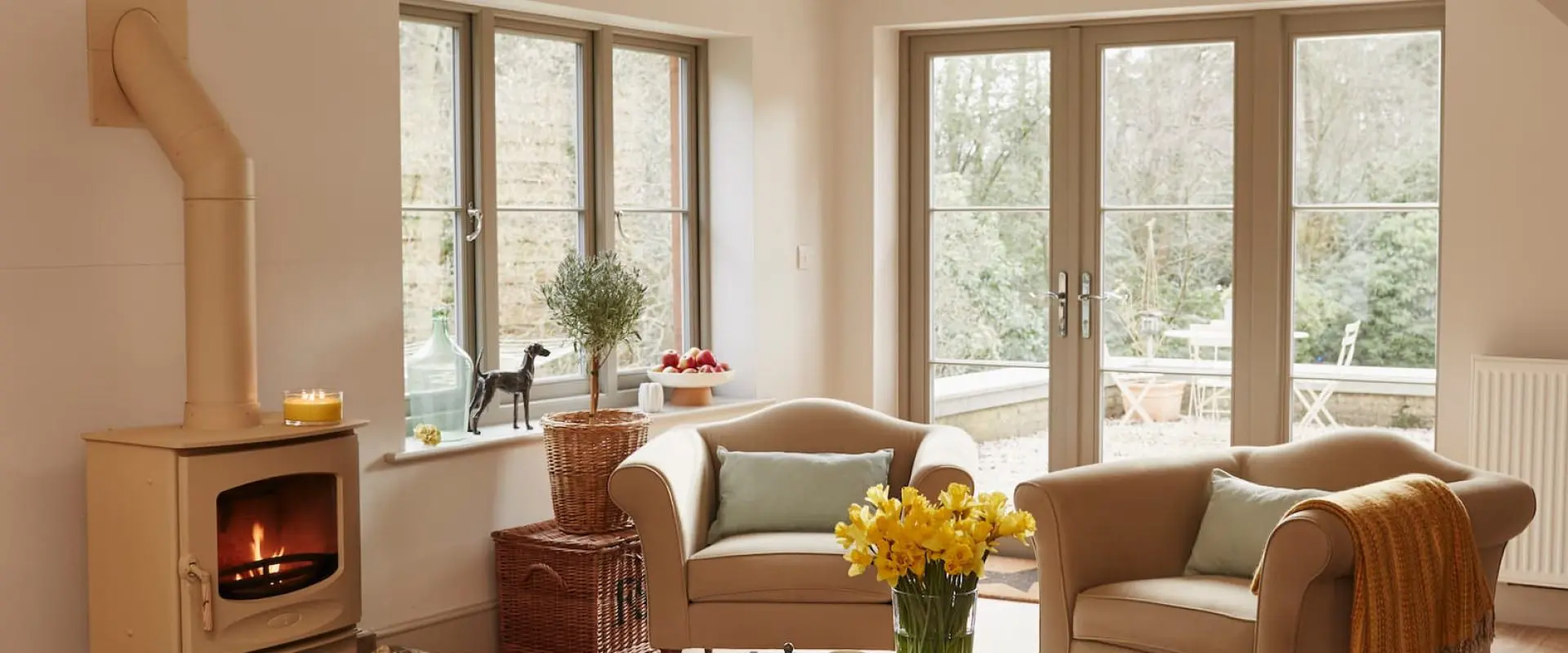
In the world of windows, there’s a constant debate on whether to choose timber or uPVC. At Salisbury Glass, we understand that making the right choice for your home’s aesthetics and functionality is crucial. Let’s explore the advantages and some considerations of both types to help you make an informed decision.
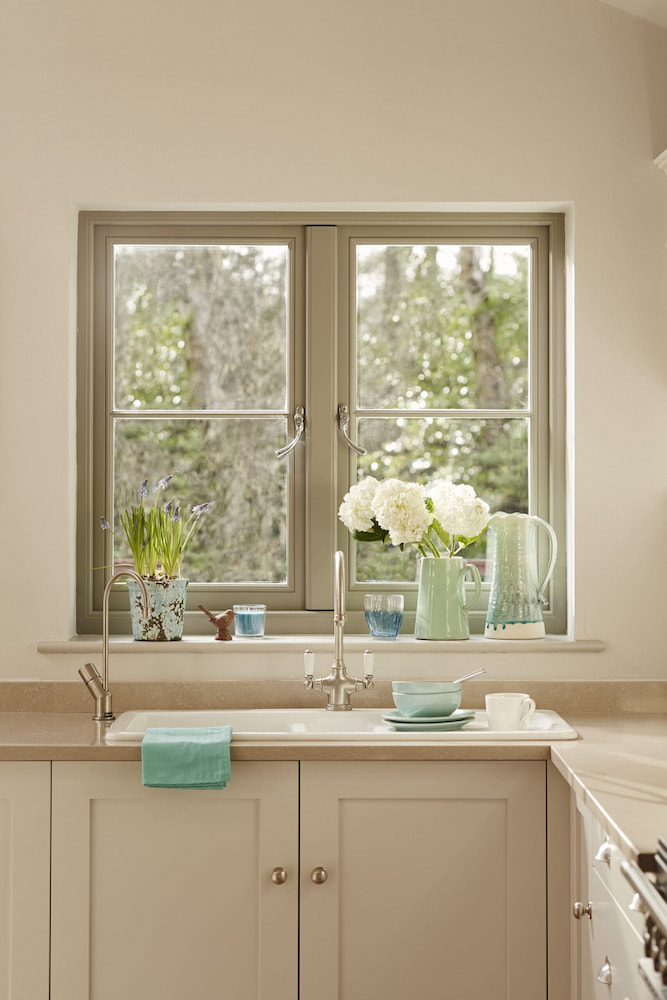
Timber Windows: A Blend of Tradition and Elegance
Timber has been the material of choice for windows for centuries, offering unbeatable natural beauty that can complement any traditional or modern home design. Timber windows are renowned for their durability and can last a lifetime if maintained properly, potentially surpassing the lifespan of uPVC windows.
One of the most significant advantages of timber is its ecological benefit. Wood is a renewable resource, making timber windows a more environmentally friendly choice. Additionally, wood frames are excellent at insulating against cold and noise, providing superior energy efficiency which could lead to savings on heating bills. Moreover, timber allows for more flexibility in terms of design. It can be easily shaped, carved, painted, or stained to match any architectural style or personal preference. This customisability makes timber windows particularly appealing to homeowners looking to achieve a specific aesthetic or historical accuracy.
Considerations for Timber Windows
While timber windows offer numerous benefits, they require regular maintenance to prevent weathering, warping, or rotting. Regular painting or staining is necessary to preserve the wood and maintain its appearance and durability. For some, this maintenance requirement may be a disadvantage compared to the easier upkeep of uPVC.
uPVC Windows: Modern, Efficient, and Low-Maintenance
uPVC windows are a popular choice for many homeowners due to their high energy efficiency and low maintenance. Unlike timber, uPVC windows do not require painting or sealing, making them easier to maintain. They are also generally more affordable than timber windows, which can make them an attractive option for those on a tighter budget.
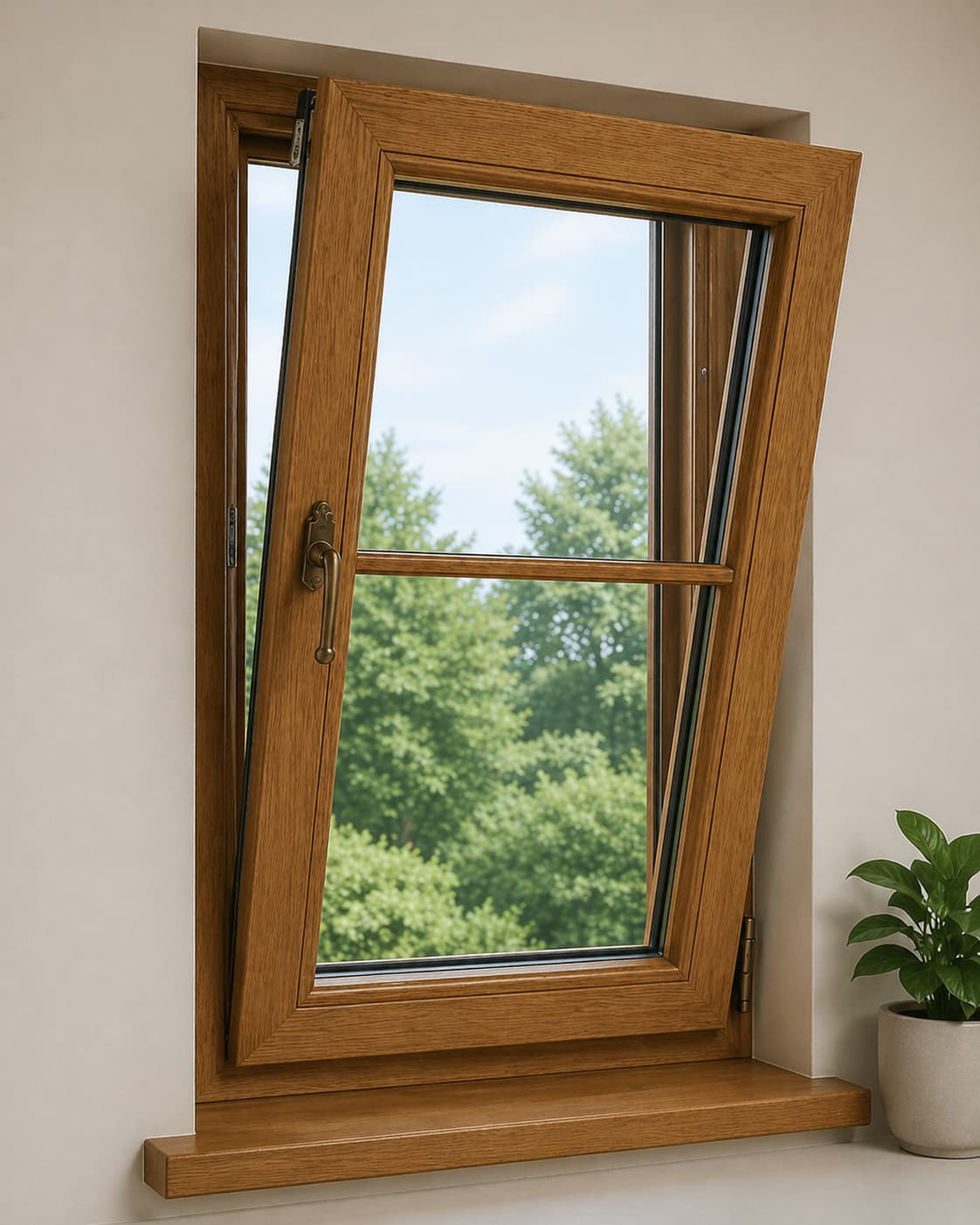
uPVC is resilient to weather, moisture and is resistant to rotting and rusting, which are typical issues with natural materials. Modern uPVC windows also come in a variety of finishes and can even mimic the look of wood grains to blend well with traditional designs.
Considerations for uPVC Windows
Although uPVC windows are less expensive and entail less maintenance than timber, they might not offer the same warmth and character as wood. Additionally, they are often less environmentally friendly compared to timber, as uPVC is a plastic and not a renewable material.
uPVC frames might expand and contract in extreme temperature changes, which, although minor, can affect the effectiveness of the seal and insulation over time. Furthermore, once uPVC windows reach the end of their life, they are less biodegradable than wood, which can contribute to environmental concerns.
Still unsure which material to use for your windows?
Get in touch with Salisbury Glass today. Our experts are on hand to help you find the perfect solution for your home. Learn more about our range of products and services and get a quote to make the best choice for your preferences and needs. Let us help you enhance the beauty and efficiency of your home with the right windows.